|
|
 |
Appi Kobiru Plate Using Authentic Japanese Lacquer
Hachimantai City, Iwate Prefecture, is where lacquerware has been made since ancient times as many lacquer trees have grown in this region since the Jomon period.
Appi Urushi Studio makes high-quality lacquerware utilizing valuable domestic lacquer, which has only 2% of the domestic distribution amount, aiming for the revival of the old-fashioned lacquerware culture. Video |
ぜんぶのかいものがきれいで、かんぺき!うれしいです。Every product, from the least expensive to the expensive one, is amazing! すばらしい!I can not stop admiring them! Hats off to all the dedicated shokunin who made every product. いつも、ほんとに、ありがとうございます!
F.P. from USA
I first purchased two bowls from Appi Urushi Studio, and now I'm expanding my collection with more pieces from their beautiful tableware line.
This is my third time buying Japanese handcrafted items from Shokunin, and each experience has been excellent. Their service is flawless, the delivery is fast, and the products always arrive carefully packaged.
I highly recommend this company!
C.Q. from Italy
Thank you, everything arrived and I am very satisfied with the products!
A.N. from Switzerland |
|
This item is usually shipped in 3 business days. We will inform you of the estimated shipping date if shipping is delayed due to a shortage.
|
Appi Urushi Studio
Kobiru Plate
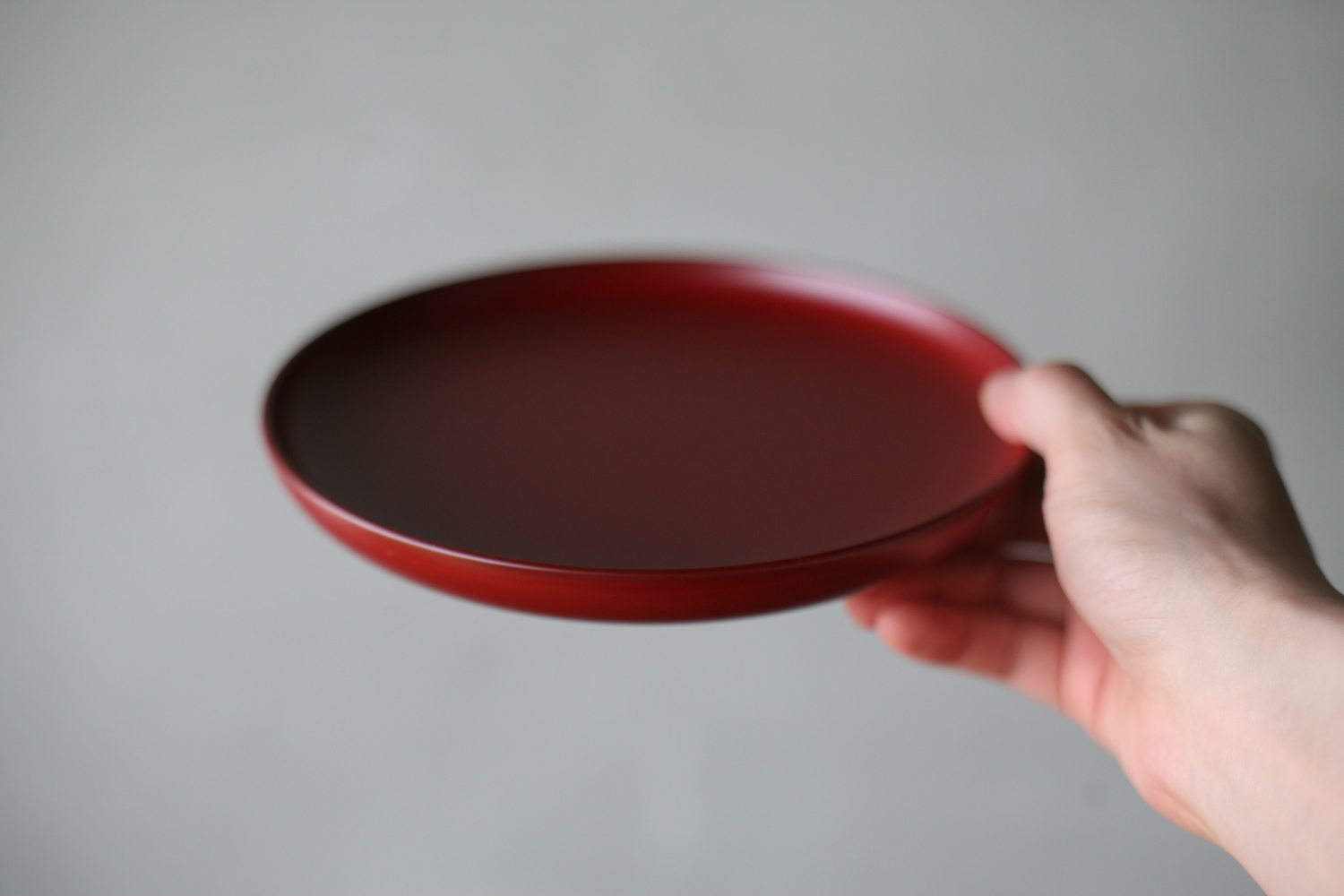
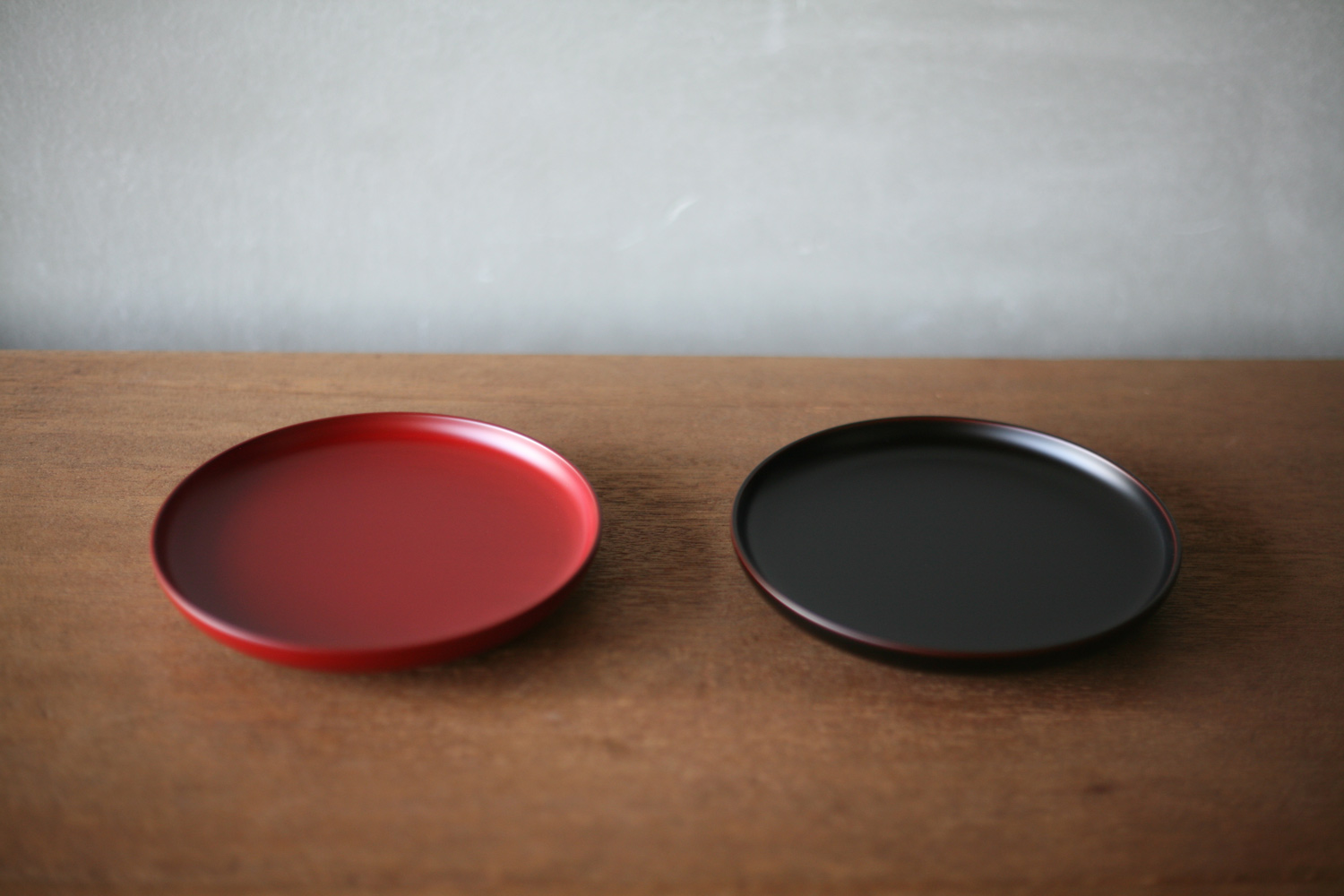
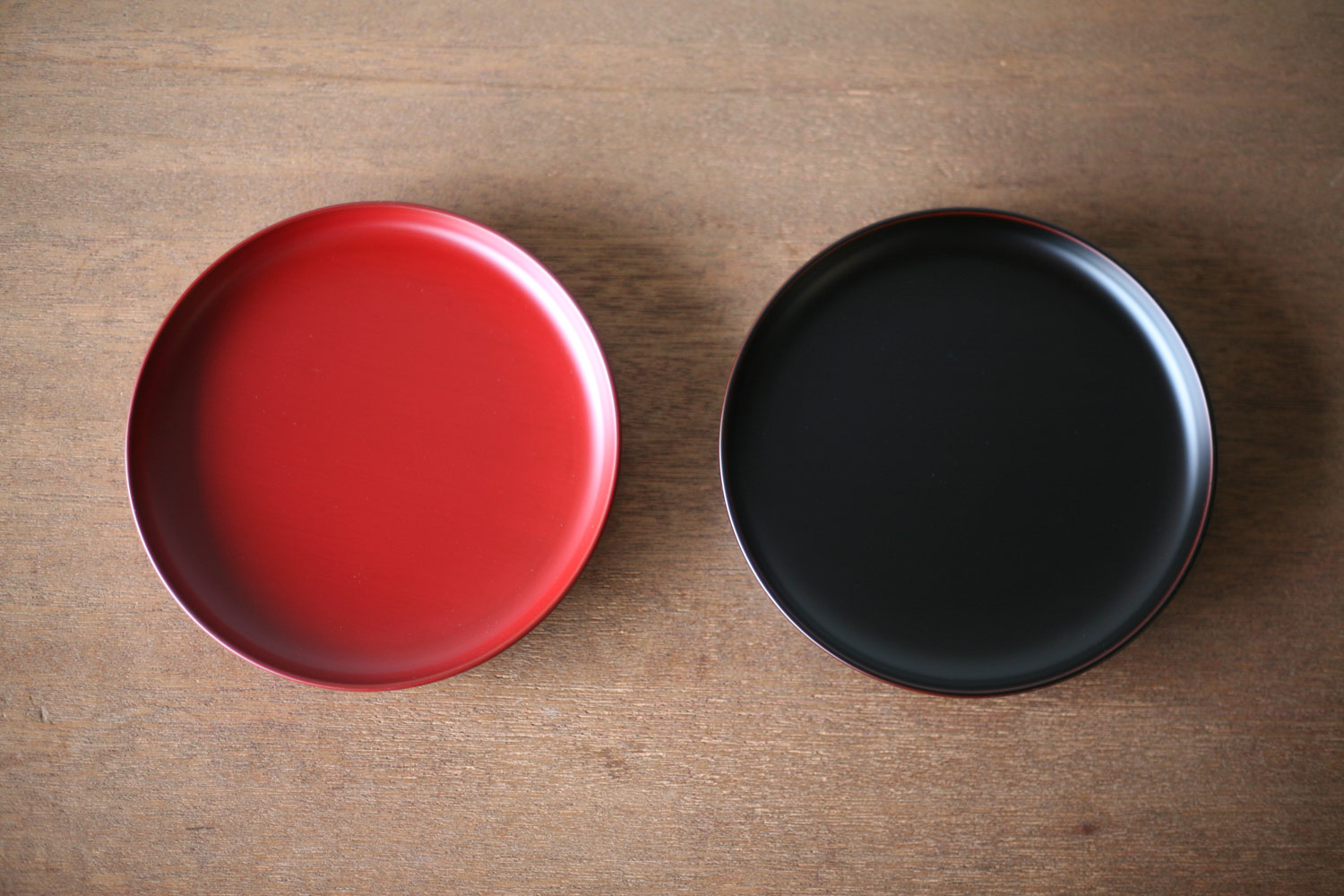
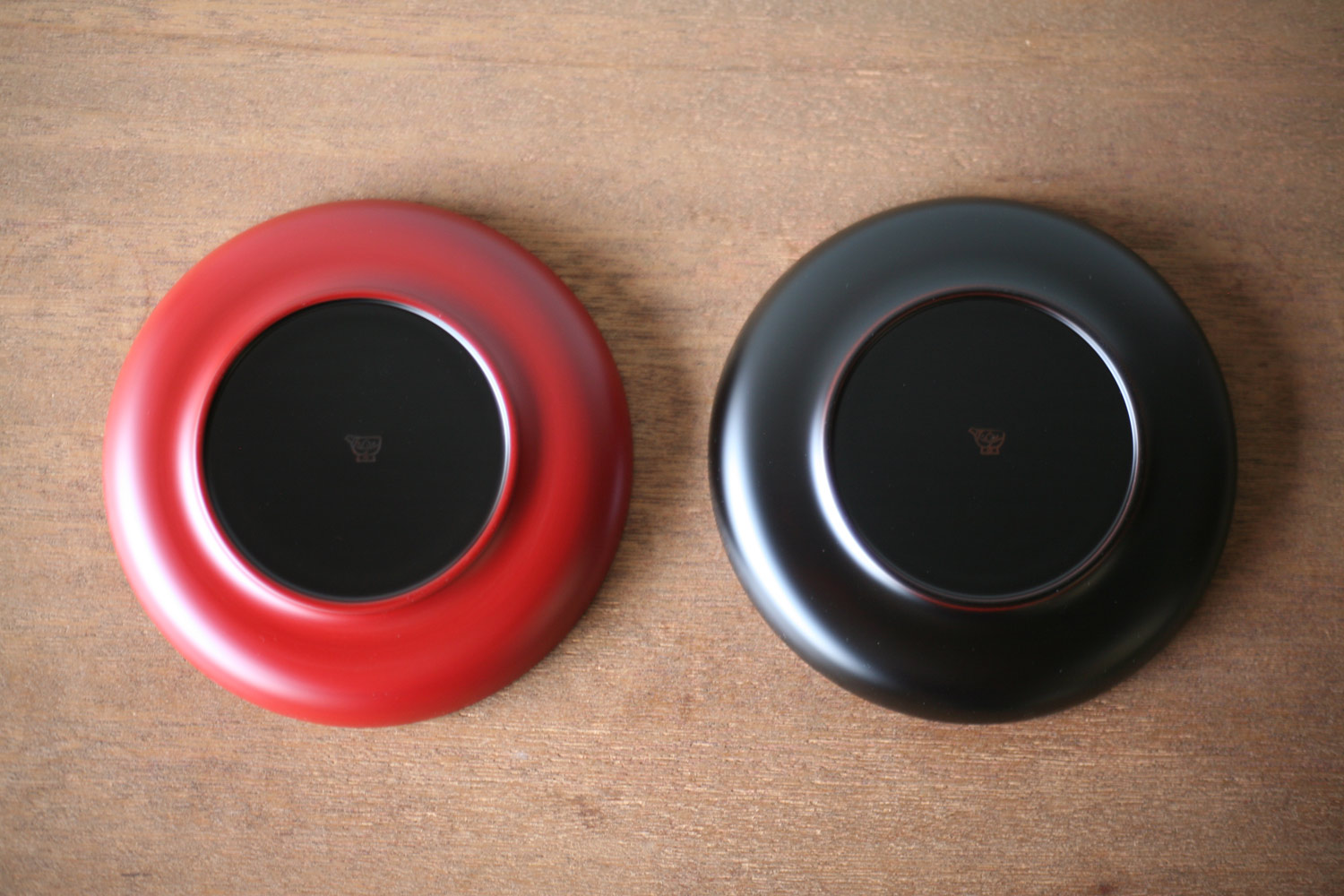
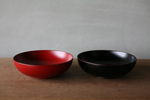
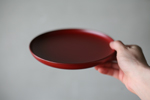
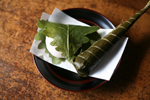
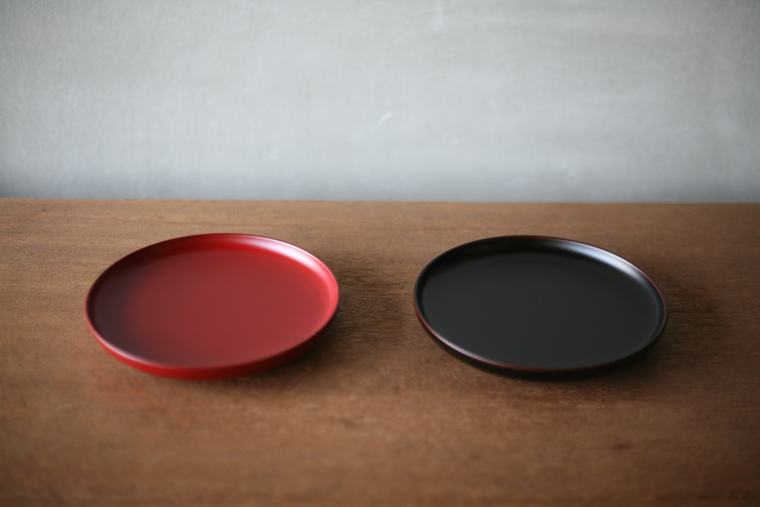
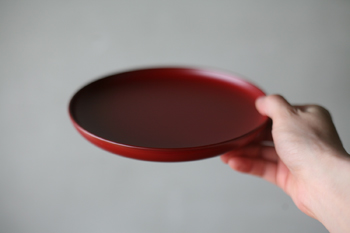
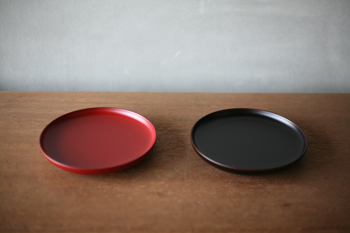
A dish once used for serving rice balls and pickles between farm work has been redesigned into a shape that is easy to use in modern times. Because it was used during the "kobiru" break, which means a snack, it was named the "Kobiru Plate." It also works wonderfully as a small sharing plate.
Size: About Ø166xH25mm
Material: Horse Chestnut (Processed in Japan, Mainly in Yamanaka, Ishikawa Prefecture)
Unavailable: Open Flame, Oven, Microwave, Dishwasher, Bleach
Price: 12,000 JPY
|
Appi Urushi StudioHachimantai City, Iwate Prefecture, is where lacquerware has been made since the ancient times as many lacquer trees grow in this region since the Jomon period. Appi Urushi Studio makes high-quality lacquerware utilizing valuable domestic lacquer, which has only 2% of domestic distribution amount, aiming the revival of the old-fashioned lacquerware culture. |
|
|
|
|