|
|
 |
Koishiwara Ware Made in Toho Village, Fukuoka Prefecture
The history of Koishiwara ware began in 1682 when Kuroda Mitsuyuki, the third lord of the Fukuoka Domain, invited potters from Imari to open a kiln. Techniques such as "tobikanna" (chattering) and "hakeme" (brush marks) were later passed on to Onta ware in Hita City, Oita Prefecture, establishing a sister relationship between the two.
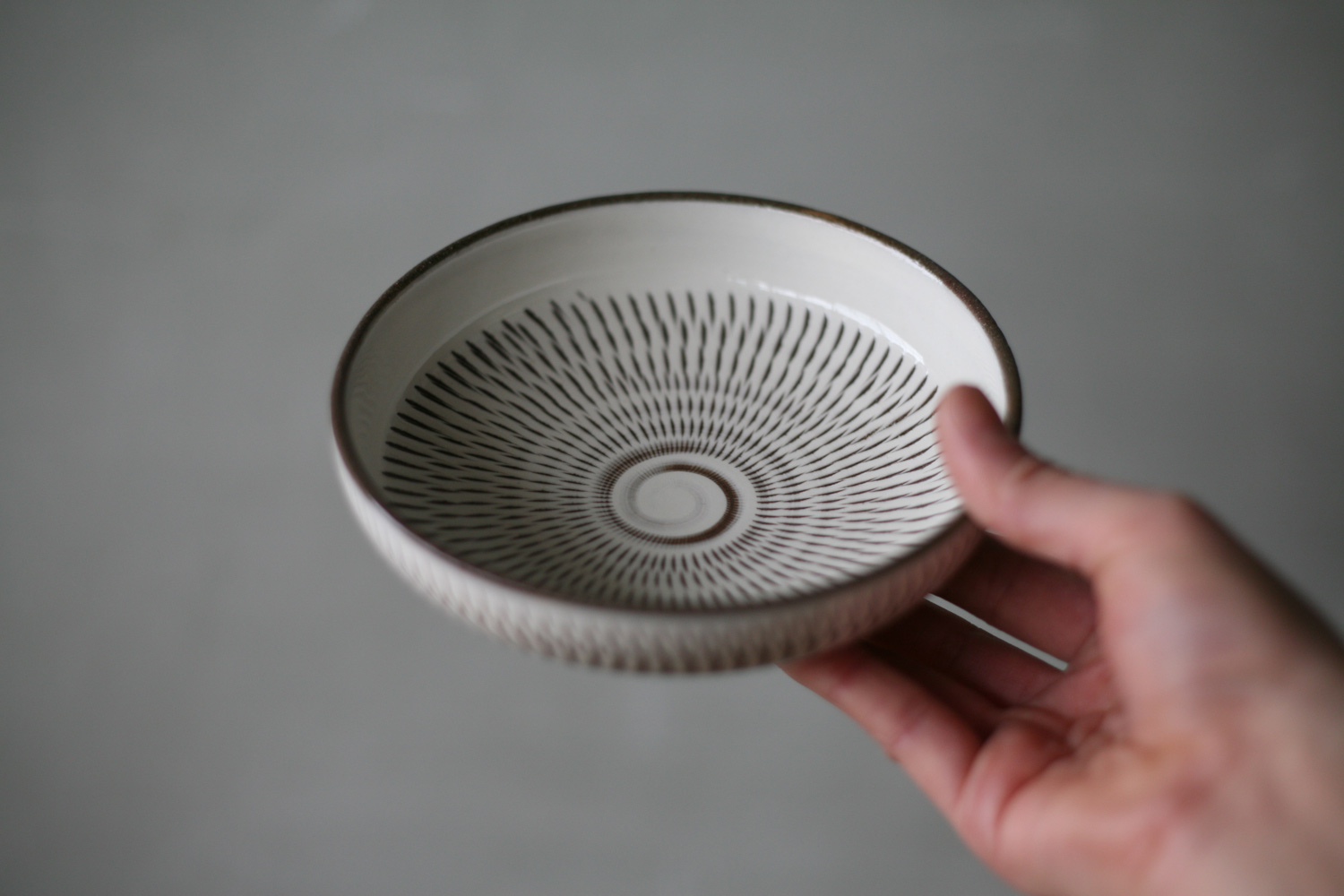
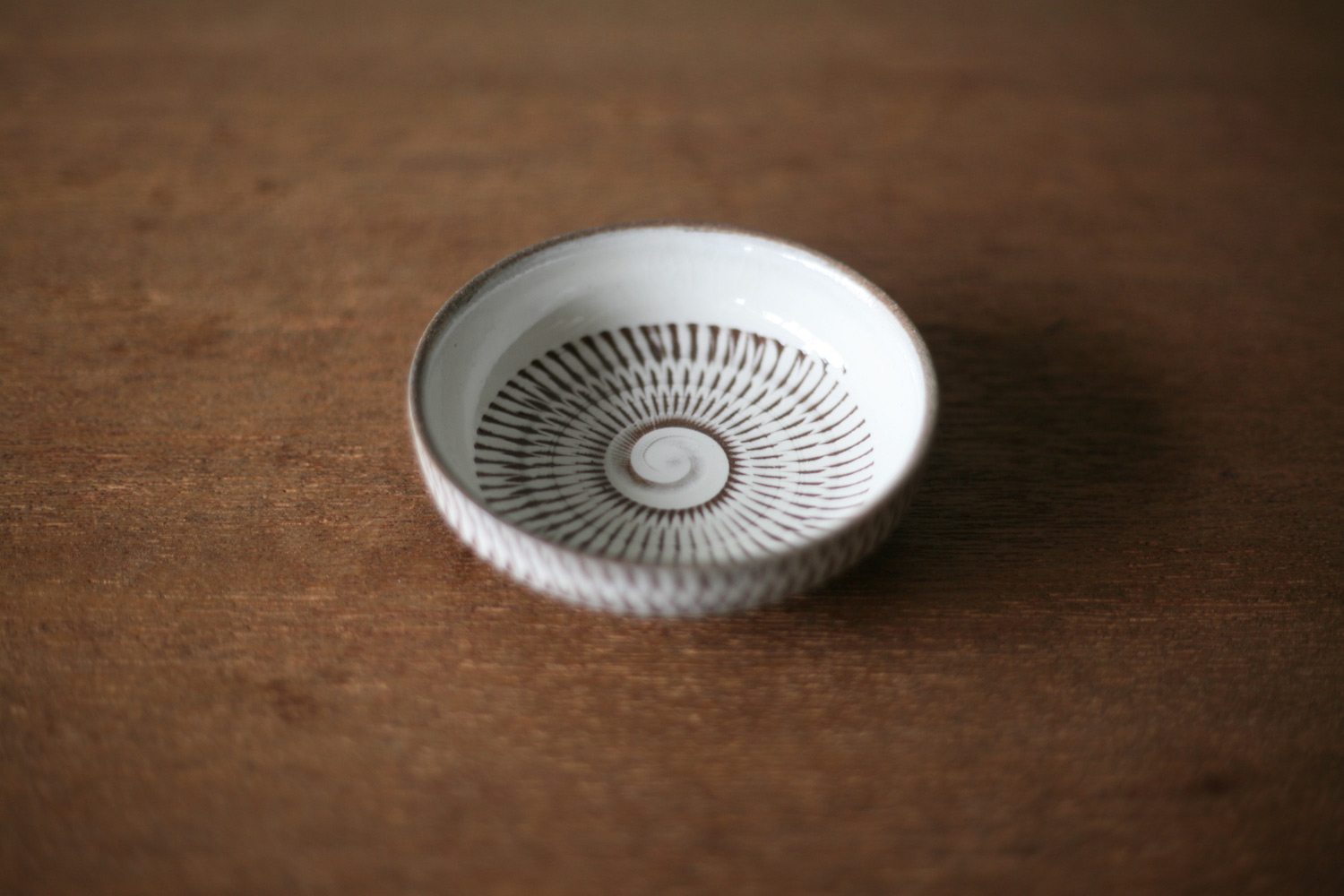
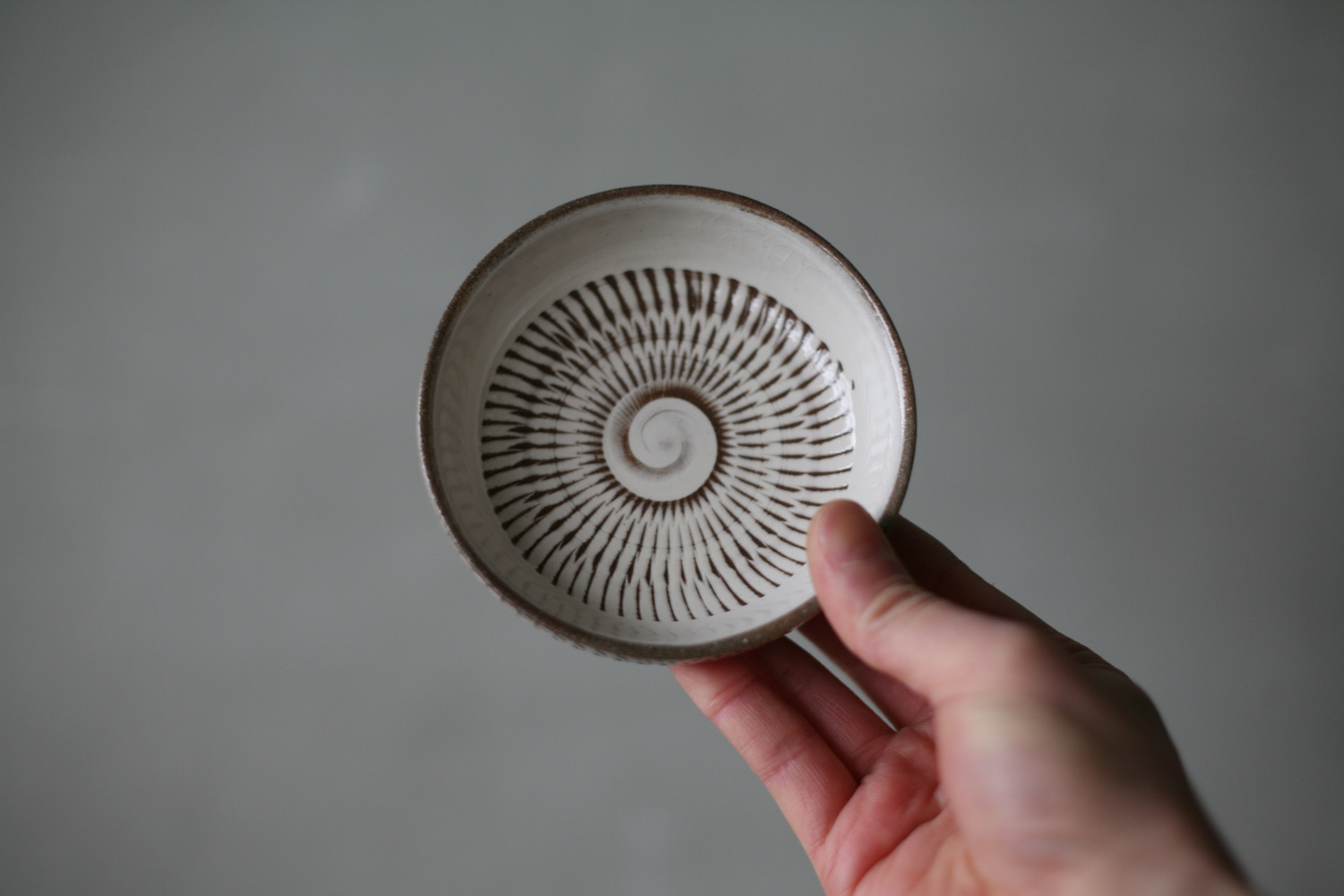
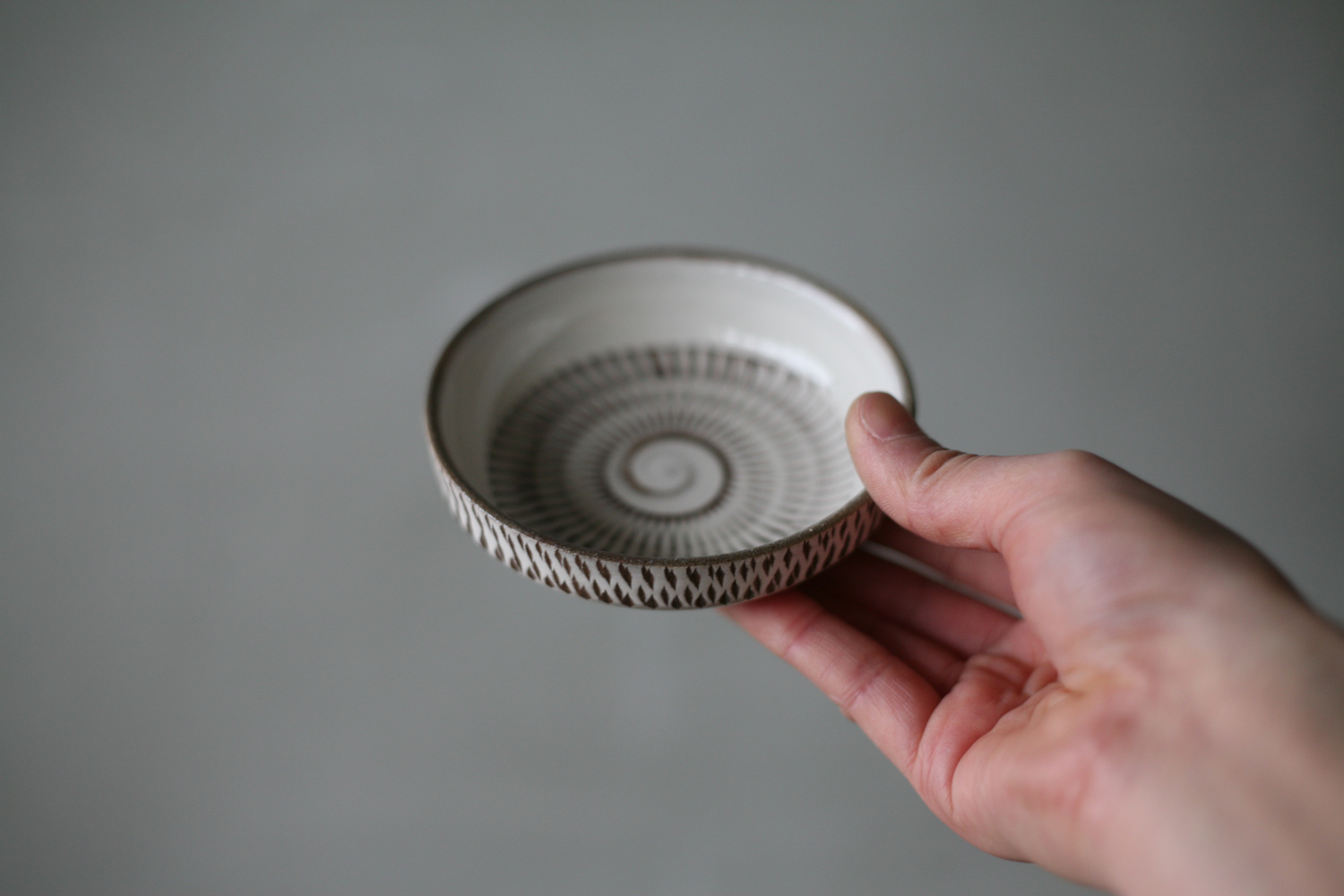
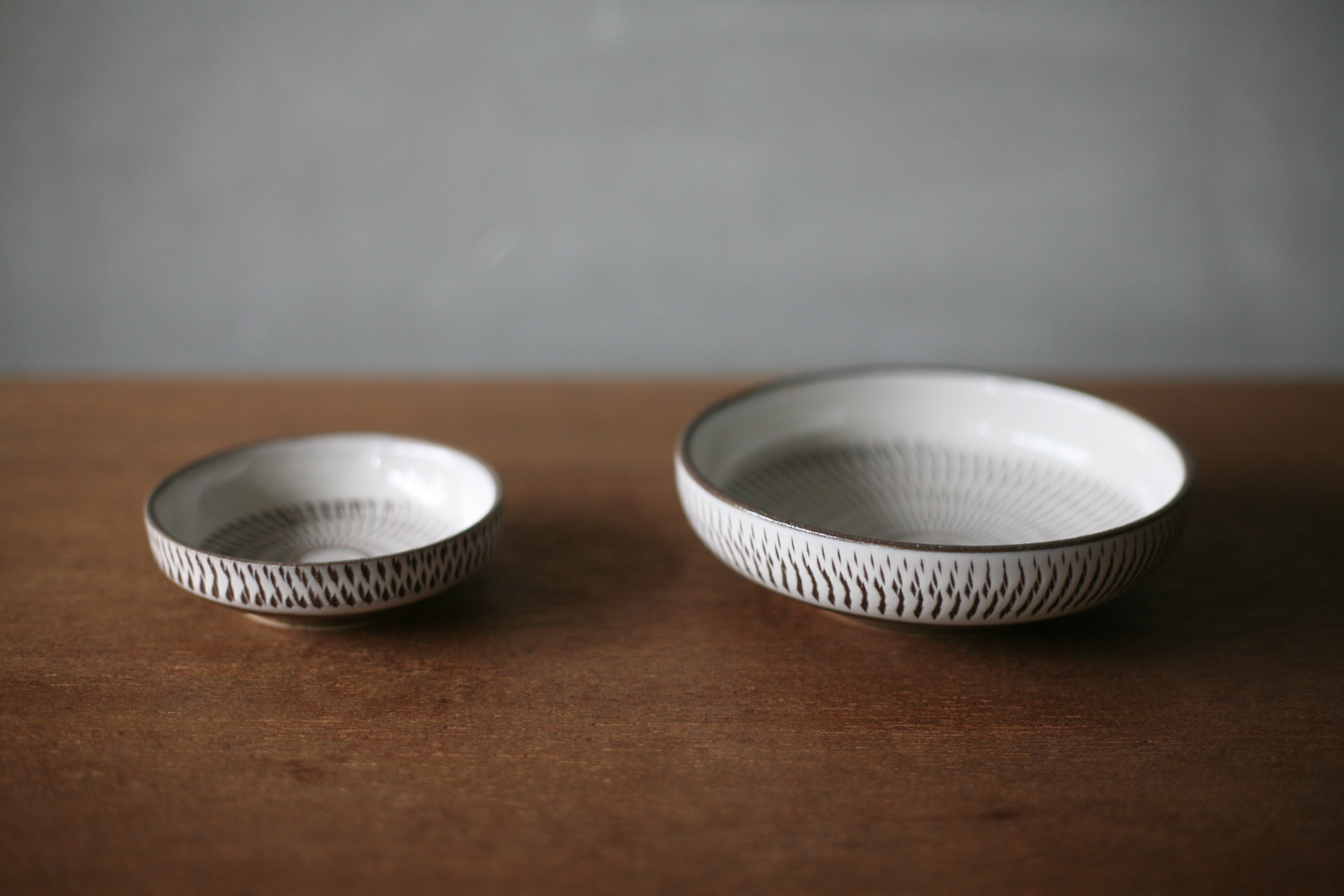
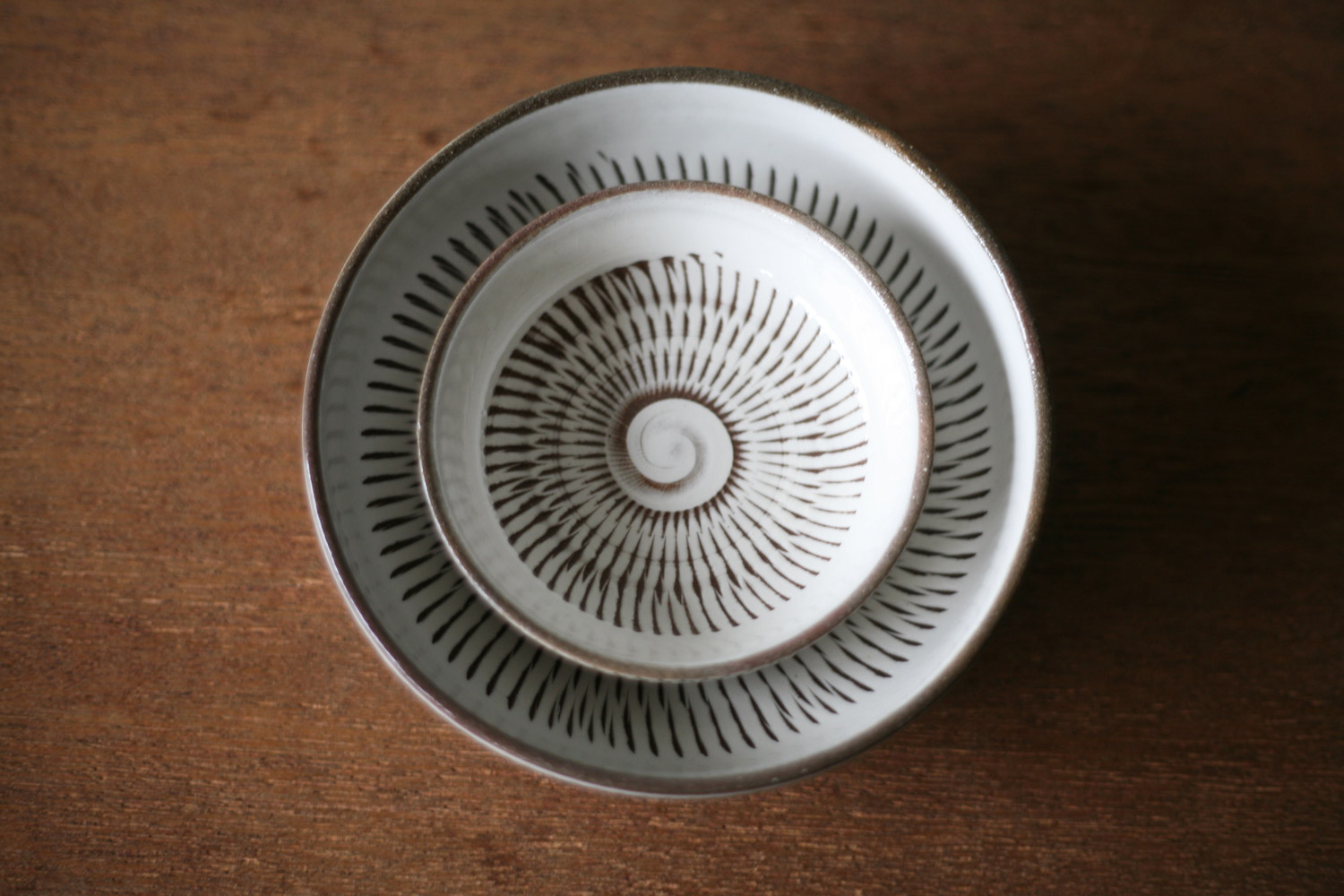
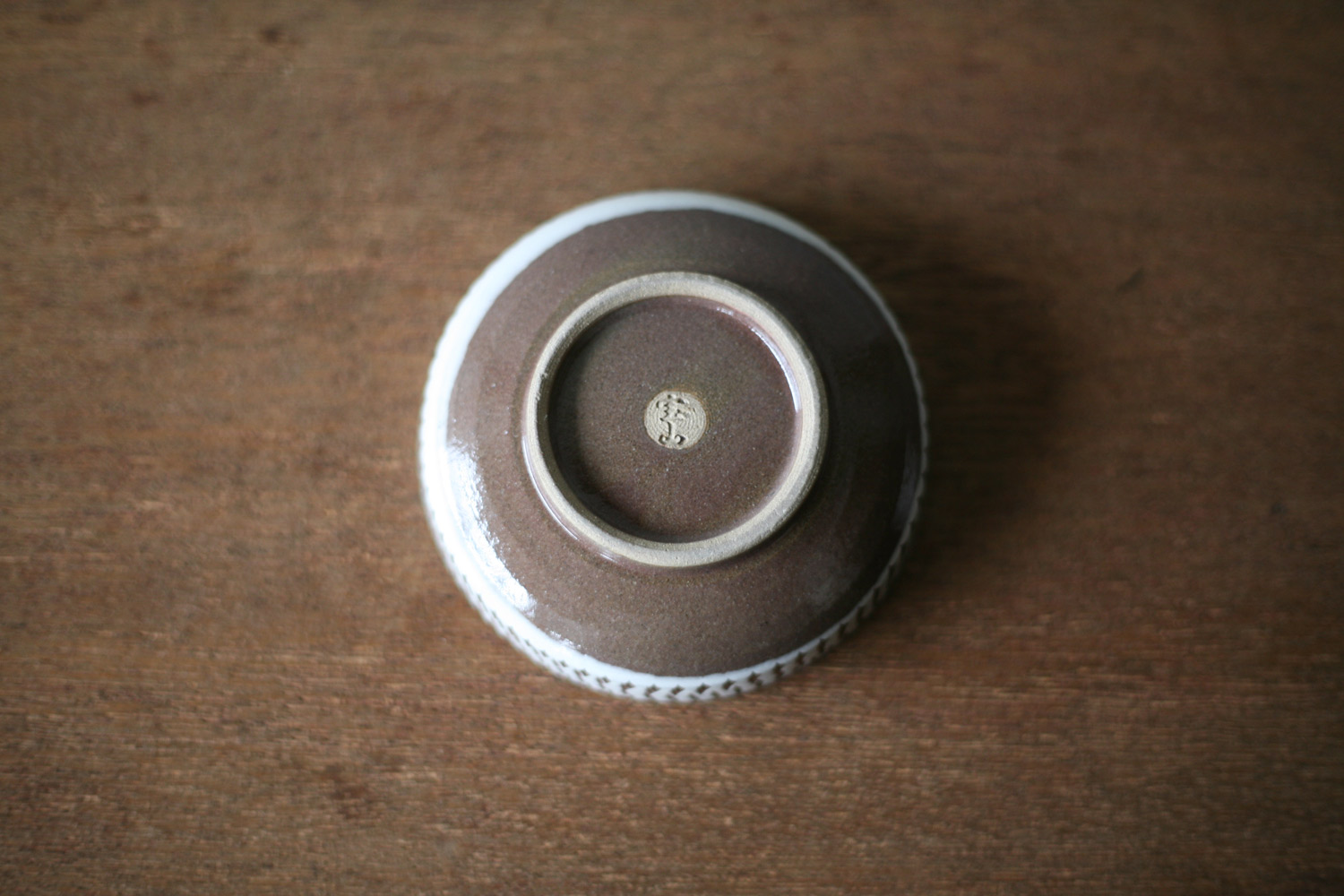
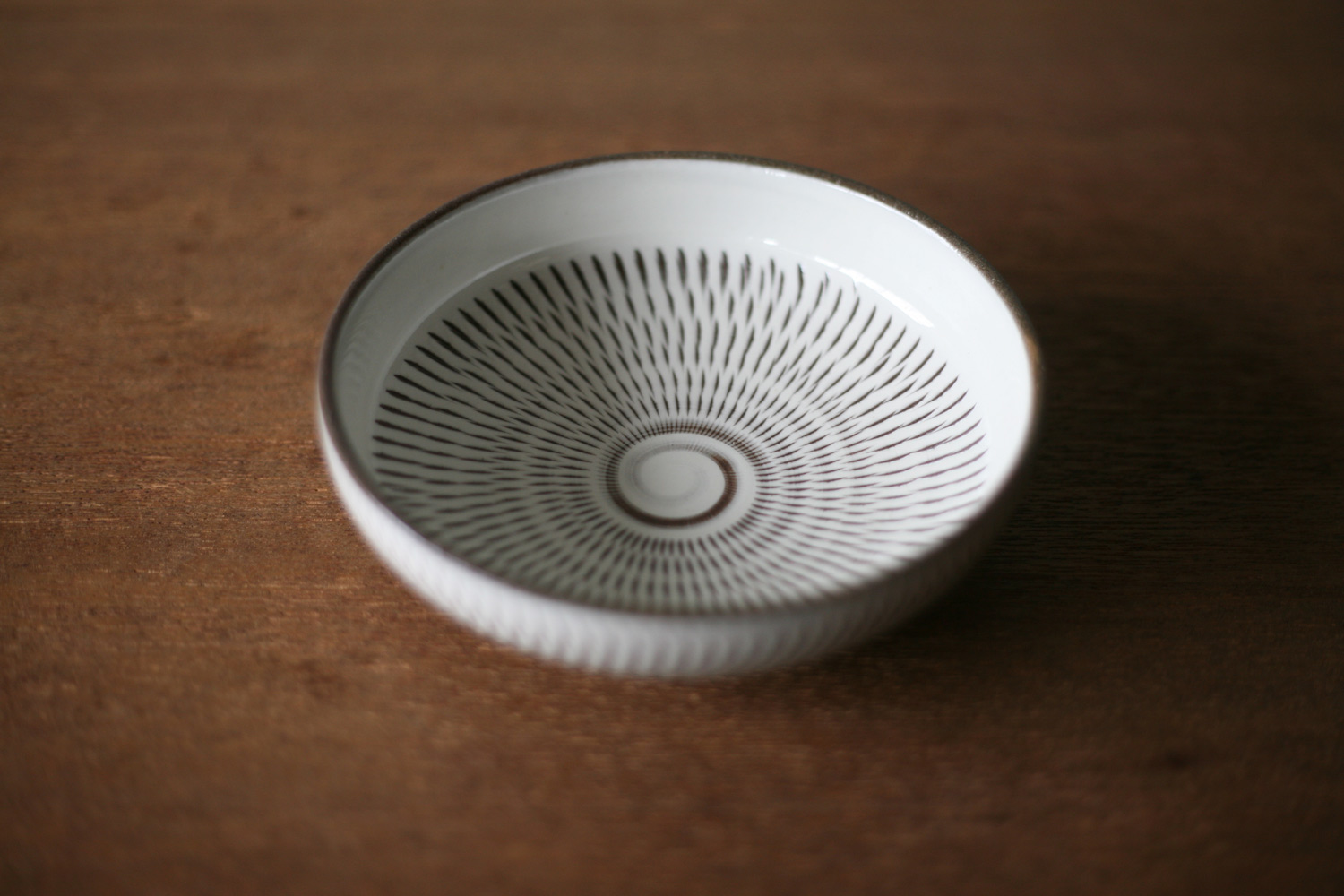
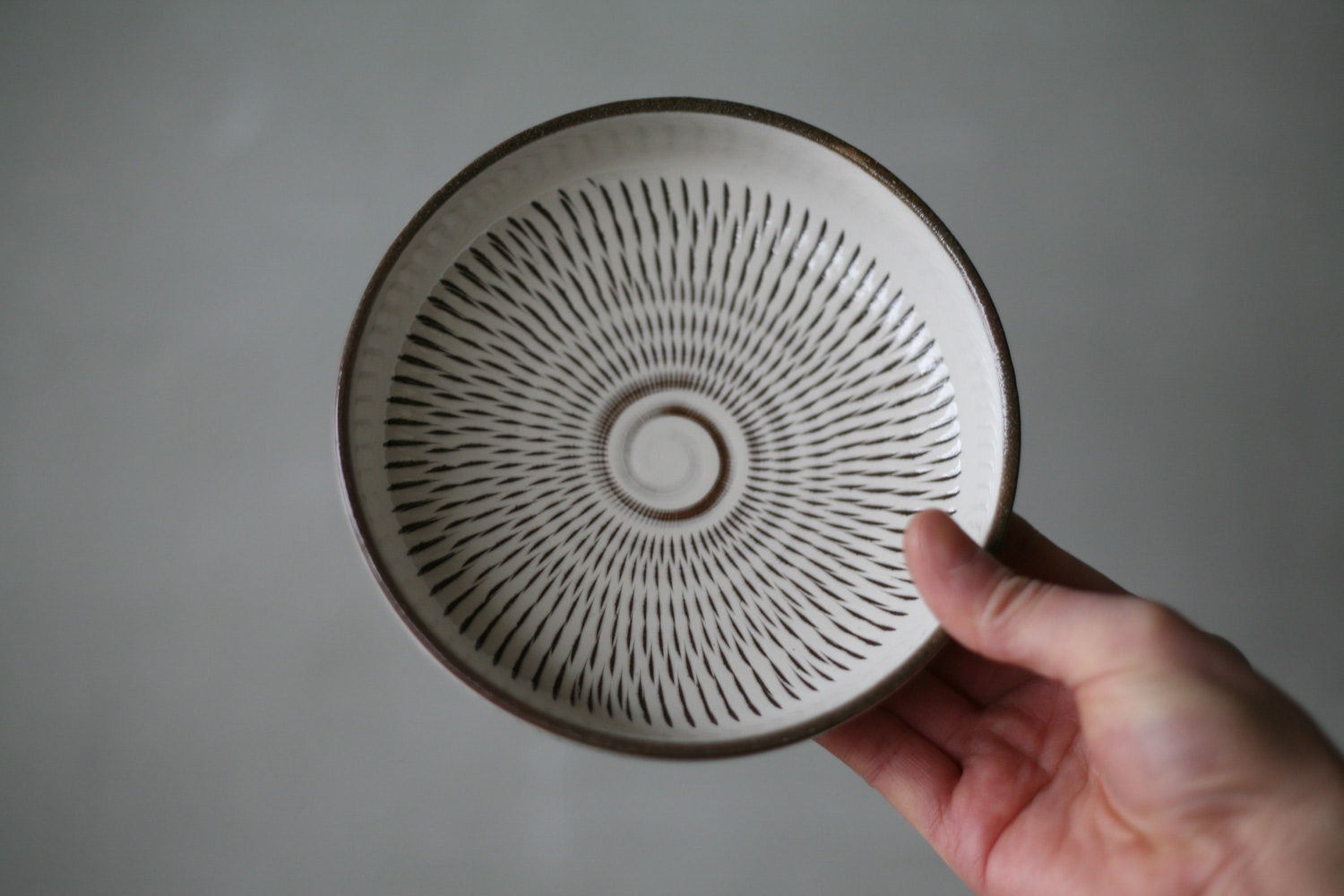
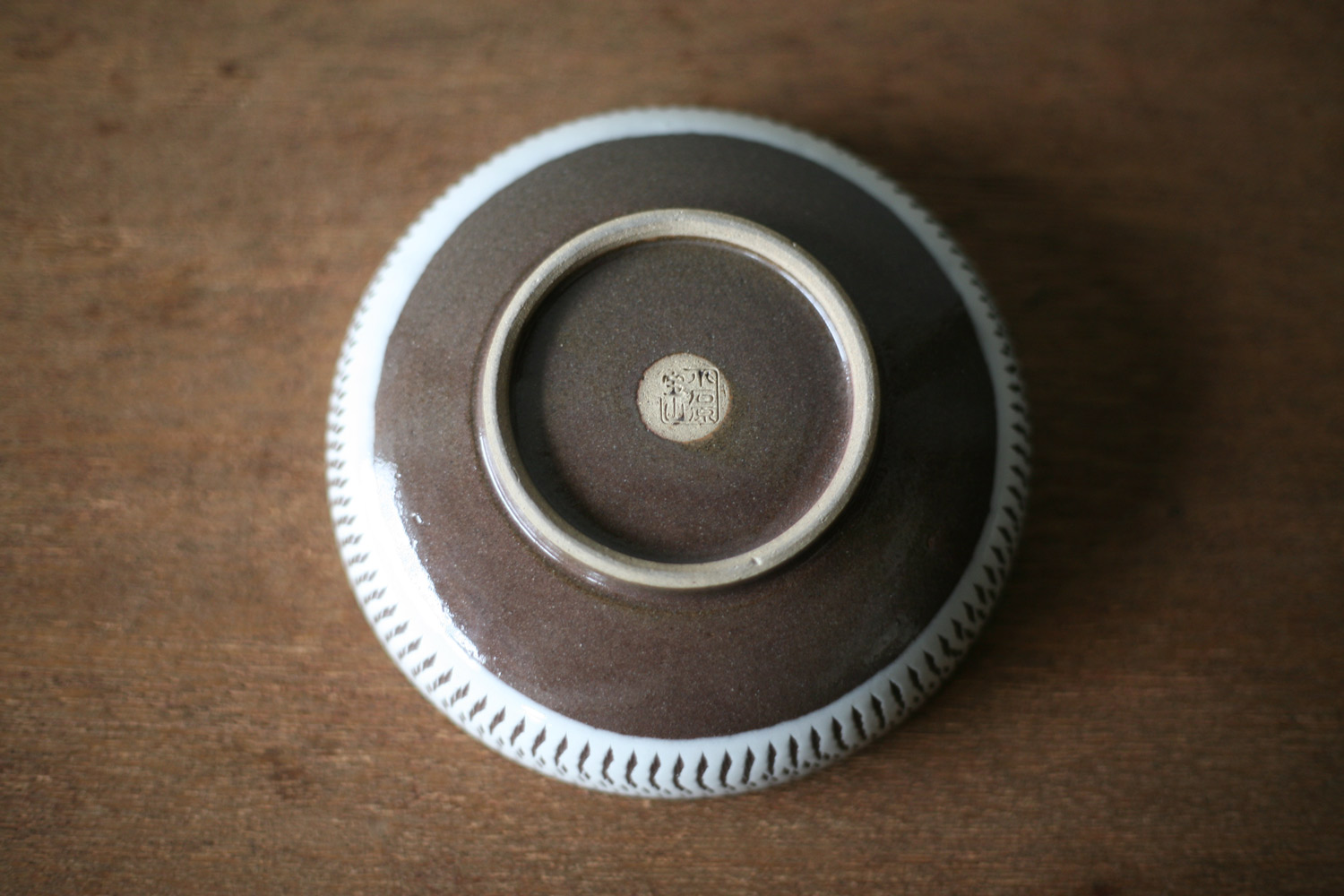
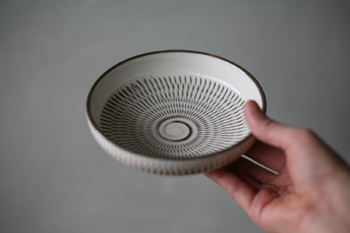
The "tobikanna" technique, a signature of Koishiwara ware, involves applying a white slip to semi-dry red clay and creating geometric patterns with a blade while the piece is rotated on a potter's wheel. These unique geometric designs enhance any dish, whether Japanese or Western. |
I spent quite a long time snooping around your website to determine what I would make part of my home. I am happy with everything I bought. All is well made and pretty. In particular, the lacquered bowls are fantastic. I believe they are among the nicest things I have ever touched. All was packed very nicely and safely. The people at Shokunin are very nice as well, and have answered my questions to their best. Thanks Shokunin!
F.C. from France
I am very satisfied with the received items and hope to have more traditional handmade products with excellent workmanship added in the future.
W.L. from China |
|
This item is usually shipped in 3 business days. We will inform you of the estimated shipping date if shipping is delayed due to a shortage.
|
Koishiwara ware
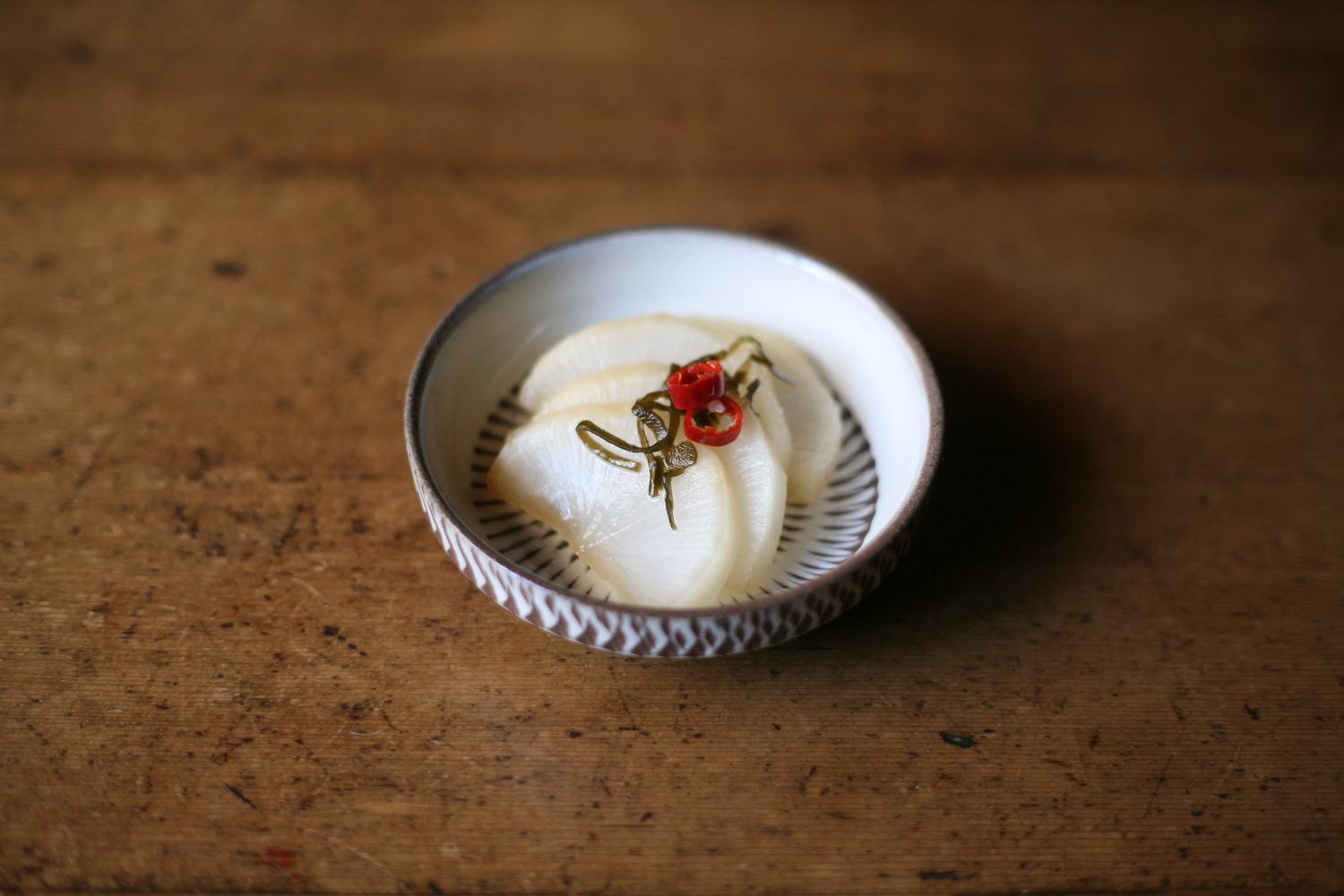
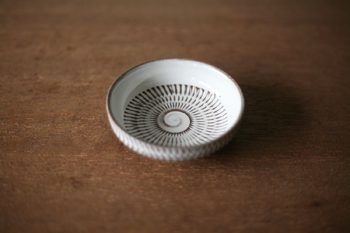
Tobikanna Kozara
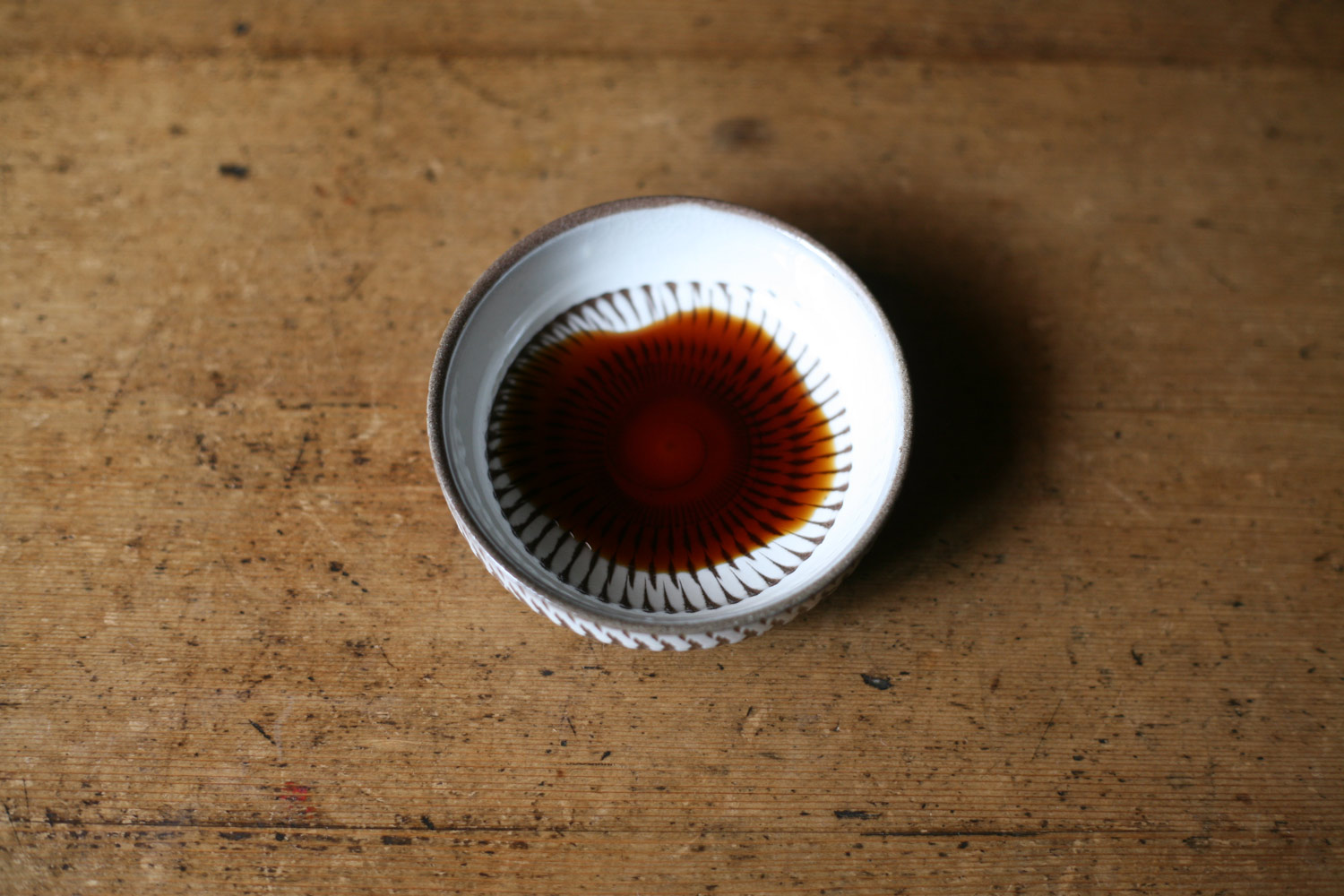
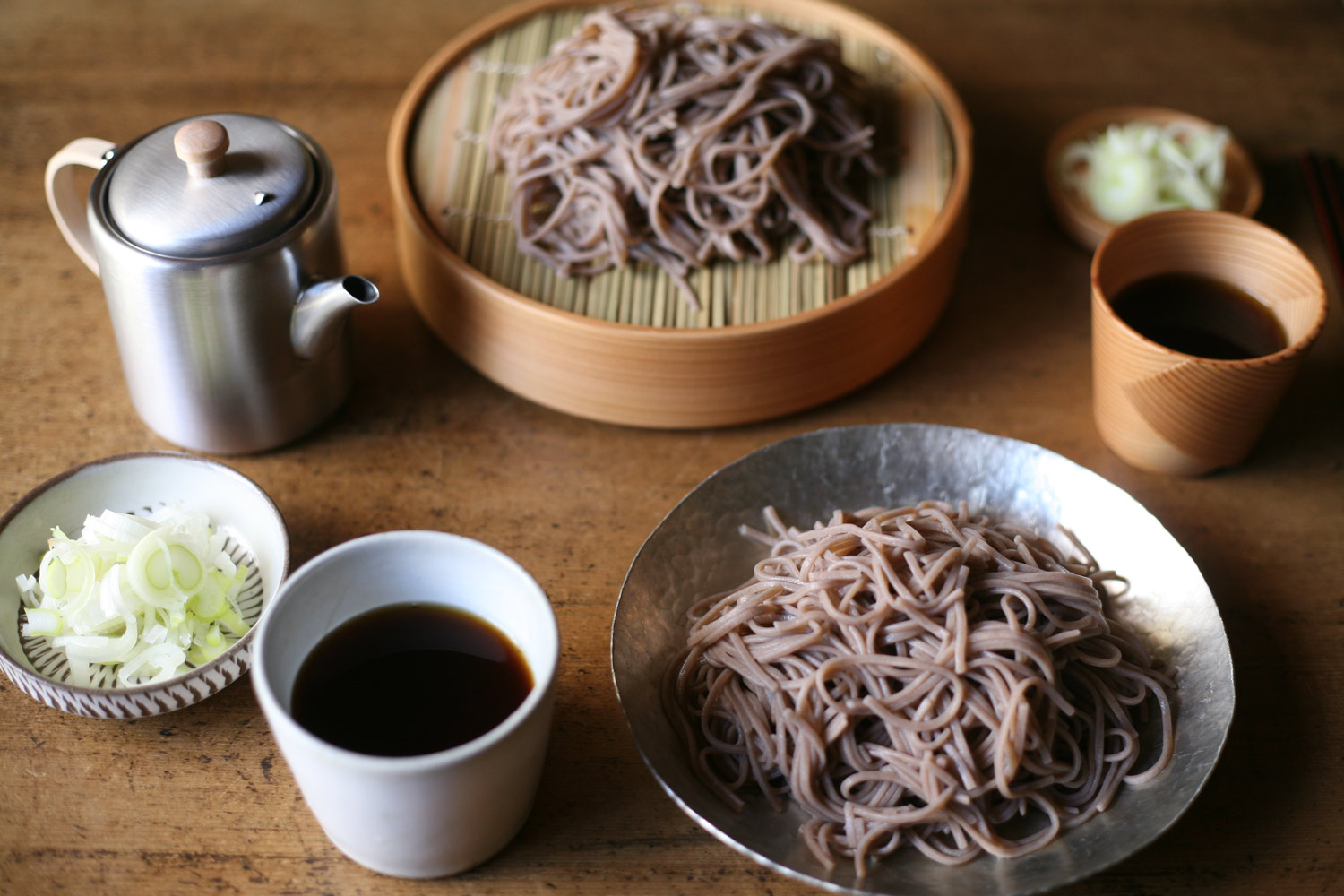
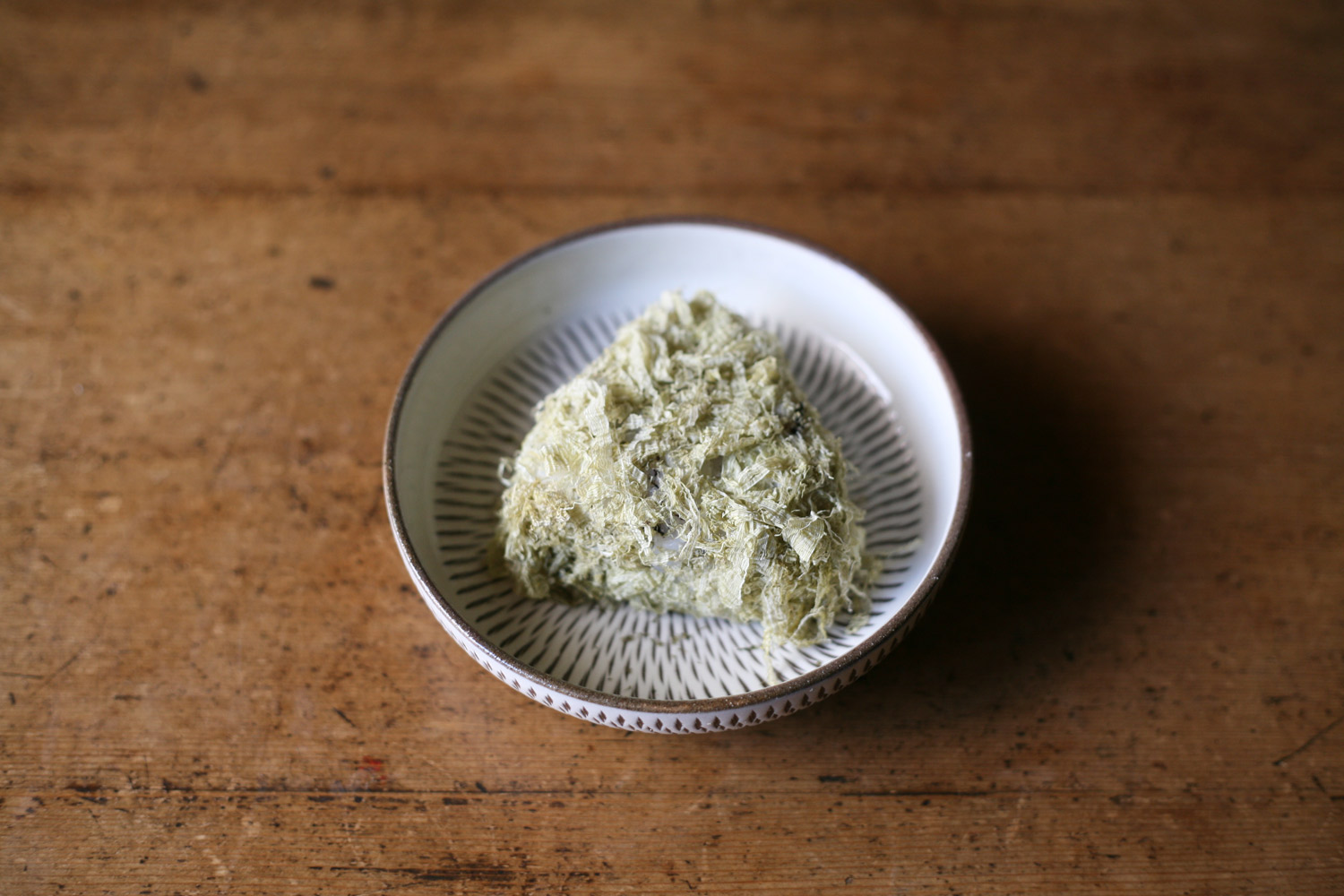
Ideal not only as a dish for soy sauce or dipping sauces, but its depth also makes it useful for serving condiments or pickles.
Size: About Ø9.7xH3cm
Weight: About 98g
Material: Pottery
Production: Fukuoka Prefecture
*As each item is handmade one by one, there are individual differences in patterns and shapes.
Price: 1,000 JPY
|
|
Koishiwara ware
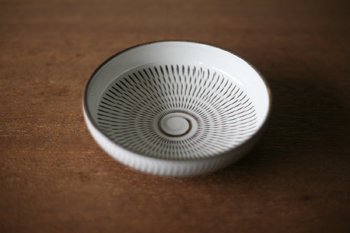
Tobikanna Gosunzara
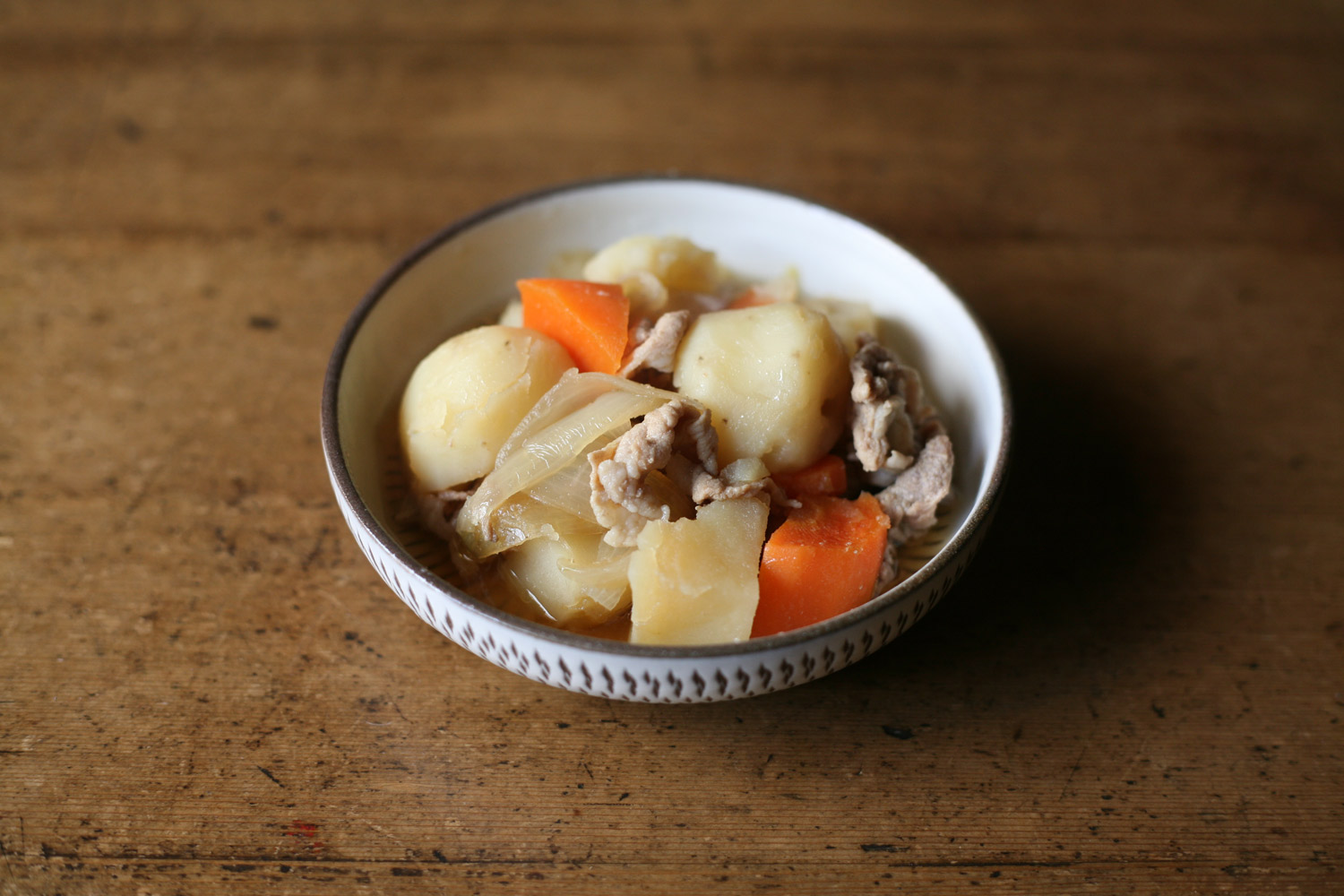
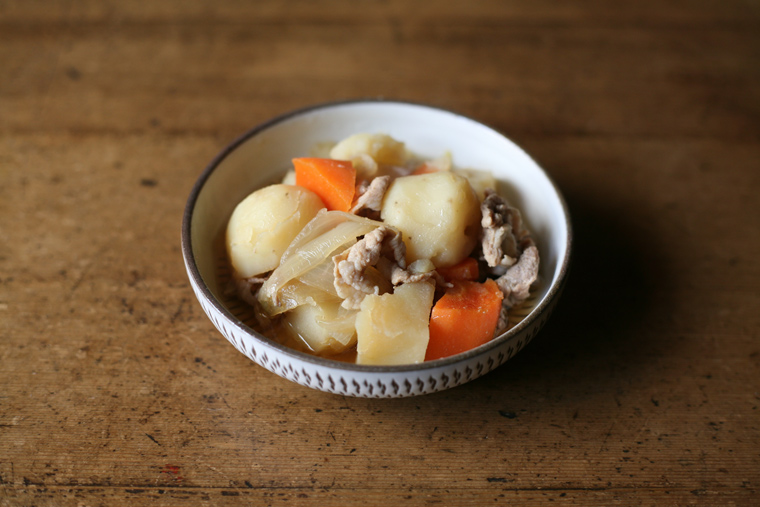
Even when serving side dishes with liquid, such as simmered foods, there is no need to worry about spilling. Additionally, the high rim makes it easy to pick up food by pushing it toward the edge with chopsticks, making it convenient as a small serving plate.
Size: About Ø14xH4.2cm
Weight: About 207g
Material: Pottery
Production: Fukuoka Prefecture
*As each item is handmade one by one, there are individual differences in patterns and shapes.
Price: 2,500 JPY
|
Koishiwara ware
The production of Koishiwara ware began as Fukuoka domain's third feudal lord, Mitsuyuki Kuroda invited potters from Imari to Fukuoka in the 17th century. Techniques such as tobikanna and hakeme were brought from Koishiwara ware to Onta ware. Thus, Fukuoka's Koishiwara ware and Oita's Onta ware are considered as sister wares. |
|
|
|
|